The Enduring Power of Script Fonts in Modern Branding: A Deep Dive into Shealy and Shealy
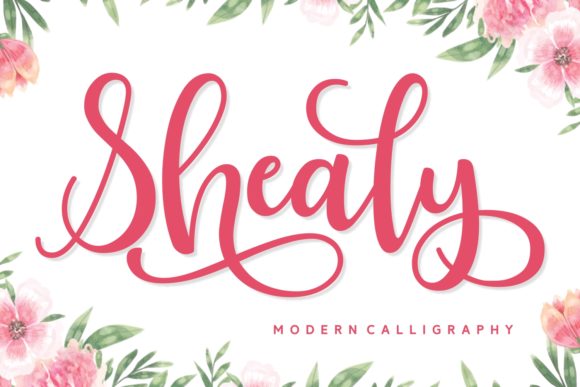
In a digital landscape dominated by sans-serif clarity and geometric precision, there is a growing counter-movement that craves warmth, personality, and the unmistakable mark of human craft. This desire has propelled script fonts from niche decorative elements into essential tools for brand differentiation. Among the most compelling examples of this revival is the Shealy typeface, designed by Shealy and Shealy, which feels equally charming and elegant. This stunning script font is a stylish homage to classic calligraphy, offering designers a versatile instrument that bridges heritage aesthetics with contemporary demands.
The resurgence of calligraphic fonts like Shealy is not merely a nostalgic indulgence. It reflects a deeper shift in how brands, creators, and businesses approach visual identity in an era where authenticity commands premium attention. Consumers have become adept at filtering out sterile, template-driven design. They seek experiences that feel crafted rather than computed. This article explores the place of Shealy in a broader creative context, examining why such fonts are capturing attention, how they serve evolving professional workflows, and what their popularity tells us about the future of visual communication.
Understanding the Appeal: What Makes Shealy Stand Apart
At its core, Shealy is a typeface that honors the traditions of hand-lettering while embracing the flexibility of modern font technology. It features a varying baseline, smooth lines, gorgeous glyphs, and stunning alternates. These characteristics are not simply decorative flourishes; they are functional design assets that solve real problems for professionals across industries. A varying baseline, for instance, mimics the natural inconsistency of human handwriting, infusing layouts with an organic rhythm that fixed-baseline fonts cannot replicate.
The smooth lines and extensive glyph set within Shealy enable designers to craft compositions that feel bespoke. For wedding invitations, this means the typography can carry the emotional weight of a handwritten note. For logos, it allows a brand mark to convey sophistication without sacrificing approachability. The alternates and ligatures provide multiple stylistic choices within a single type family, giving users the ability to customize appearance without layering multiple fonts or resorting to manual illustration.
What distinguishes Shealy from earlier generations of script fonts is its balance. Historically, many elegant scripts performed beautifully in print but became illegible on screens or at small sizes. Shealy navigates this tension with greater finesse, making it suitable for a wide range of design projects including branding, headings, invitations, signatures, logos, and labels. This versatility speaks to the evolving needs of modern designers who must often deploy a single typeface across vastly different media and contexts.
The Broader Creative Context: Why Script Fonts Are Thriving Now
To understand why a font like Shealy resonates so deeply, it helps to step back and observe the currents shaping visual culture. We are living through a period defined by what some call algorithmic fatigue. From social media feeds to website templates, users encounter a sameness that stems from optimization-driven design. When interfaces look alike and brand identities blur, the instinct to break free through human-centric visuals intensifies.
Authenticity as a Competitive Advantage
Script fonts that evoke calligraphy tap directly into this yearning for authenticity. They carry associations with craft, patience, and personal touch — qualities that are scarce in automated environments. A brand that uses Shealy for its wordmark signals that it values individuality and heritage, even if its core product is technologically advanced. This juxtaposition can be remarkably effective, creating a narrative tension that captures attention and fosters emotional connection.
Entrepreneurs and small business owners, in particular, have embraced this approach. Without the budgets for extensive custom branding, they rely on premium typefaces to elevate their visual presence. Shealy provides an accessible entry point into refined aesthetics that previously required expensive lettering artists. It democratizes elegance while still rewarding thoughtful application.
The Wedding and Event Industry's Typographic Evolution
Few sectors illustrate the relevance of calligraphic fonts better than the wedding industry. For decades, formal script faces dominated invitations and signage, but the past ten years brought an explosion of creative experimentation. Couples now seek designs that reflect their personal stories rather than conform to rigid traditions. This shift has created demand for fonts that feel both timeless and fresh.
Shealy fits this niche perfectly. Its varying baseline and gorgeous glyphs allow invitation designers to create suites that feel hand-painted yet remain reproducible at scale. The stunning alternates mean that each piece — from save-the-date cards to table numbers — can carry subtle variation within a cohesive system. This flexibility aligns with broader lifestyle trends where personalization and experience design have become paramount.
Professional Workflows and the Rise of Versatile Typefaces
The way creative professionals work has changed dramatically. Freelancers and agency designers alike juggle multiple projects, tight deadlines, and the expectation of pixel-perfect output across platforms. A typeface that can serve as a heading on a website, a signature in an email campaign, and a label on product packaging reduces friction and maintains brand consistency. Shealy addresses this need through its comprehensive character set and stylistic alternates, which effectively function as a toolkit rather than a single typeface.
From Logos to Labels: Practical Applications
Consider a small-batch artisanal brand launching a line of preserves. The visual identity must work on a website header, a printed label on a jar, and perhaps a social media graphic. Using Shealy for the brand name creates a through-line of elegance. On the website, it might appear as a heading with generous letter-spacing. On the label, the alternates can be activated to create a more ornate first letter. This adaptability reduces the need for supplementary fonts, streamlining both design time and licensing logistics.
Signature applications represent another growing use case. Digital signatures in email marketing — those personalized sign-offs that mimic handwritten names — have proven to increase engagement and perceived authenticity. Shealy’s smooth lines and calligraphic foundation make it an excellent candidate for such treatments, offering a warmth that generic cursive fonts lack.
The Technology Enabling Calligraphic Revival
Modern font development tools have unlocked capabilities that earlier typographers could only imagine. OpenType features, for instance, allow typefaces like Shealy to include contextual alternates, stylistic sets, and ligatures that automatically adjust based on character combinations. This means designers can achieve fluid, hand-lettered appearances without manually swapping glyphs for every instance. Such technological foundations make script fonts more usable and accessible, contributing to their renewed popularity among marketers and content creators who may not have formal typographic training.
Changing Consumer Expectations and Perceptual Shifts
Consumers today bring sophisticated visual literacy to their interactions with brands. They have internalized the codes of design, often subconsciously, and make rapid judgments about credibility and quality based on typographic choices. A serif font might convey tradition, a geometric sans-serif modernity — but a well-chosen script can communicate something rarer: a sense of presence.
This perceptual shift explains why luxury brands, boutique hotels, and premium food and beverage companies increasingly invest in calligraphic identities. The typeface becomes not merely a carrier of words but an ambassador of feeling. Shealy, with its charming elegance and stylish homage to classic calligraphy, serves this purpose admirably. It elevates a wide range of design projects to the highest level by embedding emotional resonance into the very letters that form a brand name or headline.
Handwriting in a Digital-First World
The irony is not lost: as digital devices become more pervasive, the value of handwriting aesthetics increases. Screens are cold; handwriting is warm. Interactions are fleeting; a script font suggests that someone took time. This dynamic fuels the appeal of fonts like Shealy across lifestyle brands, coaching services, and creative portfolios where personal connection is a differentiator. Freelancers and solopreneurs, in particular, benefit from this humanizing effect, which can make their communications feel more personal and less transactional.
Integrating Shealy into a Cohesive Design Strategy
Deploying a distinctive script font requires thoughtful strategy. The highest-level design projects use such typefaces as focal points rather than text fonts. For optimal results, professionals often pair Shealy with restrained sans-serif or serif supporting faces that provide contrast and readability. The script handles the heavy lifting of emotion and identity, while the secondary typeface ensures clarity for body copy and functional elements.
- Branding and Identity: Use Shealy for logotypes, taglines, and hero imagery. Its varying baseline creates organic movement that draws the eye.
- Wedding and Event Design: Leverage alternates and gorgeous glyphs to craft invitation suites, place cards, and signage that feel custom-made.
- Packaging and Labels: Apply the font to product names on labels where shelf presence depends on conveying quality and care.
- Signatures and Personal Branding: Generate digital signatures for email, social media graphics, and website headers that feel warm and approachable.
- Editorial and Headings: Set striking headlines in magazines, blog posts, or portfolios to introduce sections with elegance.
These applications reflect a broader movement toward typographic intentionality. Designers are increasingly treating font selection not as an afterthought but as a foundational strategic decision. The availability of high-character, feature-rich fonts like Shealy supports this shift, giving creators the precision tools necessary to execute nuanced visions.
Observations on the Future of Script Typography
Looking forward, the trajectory for calligraphic typefaces appears strong. As artificial intelligence generates more generic visual content, the premium on distinctly human aesthetics will likely rise. Fonts that carry the hallmarks of handmade craft — varying baselines, smooth strokes, alternate glyphs — will serve as markers of intentional human design. Shealy is well-positioned within this landscape, having been built with the kind of attention to detail that machine-generated alternatives struggle to replicate consistently.
The growing accessibility of variable font technology may further expand the usefulness of script faces. Imagine a future version of a typeface like Shealy where users can adjust the degree of baseline variation or the smoothness of strokes along a continuum, dialing in exactly the right level of formality for each project. While such developments remain on the horizon, they underscore the enduring relevance of calligraphy-inspired fonts in an evolving technological ecosystem.
For marketers, entrepreneurs, and creators making decisions today, the lesson is clear. Typography is not merely decorative; it is a carrier of meaning, mood, and memory. Investing in a font that balances heritage charm with modern functionality is a strategic choice that pays dividends in audience perception and brand equity. Whether elevating wedding designs, crafting compelling invitations, refining signatures, developing logos, or designing labels, the right typeface transforms ordinary words into extraordinary experiences.
Embracing Elegance Without Compromise
What makes Shealy and Shealy's creation particularly noteworthy is its refusal to sacrifice one quality for another. It is charming without being frivolous, elegant without being cold, ornate without being illegible. This balance is difficult to achieve and precious to find. For professionals who value both aesthetics and performance, such a font represents more than a design asset — it becomes a reliable partner in the ongoing project of building meaningful visual communication.
The broader market has spoken through its preferences. Audiences respond to beauty that feels genuine, to sophistication that feels inclusive, to heritage that feels alive. By choosing fonts that embody these principles, designers, marketers, and business owners participate in a larger cultural shift toward valuing depth, craft, and human connection in every pixel and printed page. Shealy stands as an exemplary tool for that journey, ready to elevate a wide range of design projects to the highest level with every graceful stroke.